
How Can Custom Green Packaging Help Build a Sustainable Brand?
According to the 2023 market analysis data of Euromonitor International, the recognition of products using Custom Green Packaging in the retail channel is 40% higher than that of traditional packaging. Among them, the packaging with the FSC certification mark increases consumers’ purchase intention by 35%. The Unilever case shows that its refillable standout bag design has reduced plastic usage by 62%, lowering the carbon footprint of a single package from 120 grams of CO₂ equivalent to 45 grams. This innovation has helped the brand achieve a high score of 87 points in the Sustainability Index.
Consumer behavior research shows that 83% of millennials are willing to pay a premium of 10% to 15% for eco-friendly packaging, while customized design increases brand memory by 50%. Amazon’s sales data for 2024 shows that the repurchase rate of packaging products with plant-based materials has increased by 22%, among which the packaging printed with soy-based ink has a social media sharing rate 3.2 times higher than that of standard packaging. Nielsen research shows that packaging with clear degradation labels leads to a brand trust score of 4.7/5 and increases customer retention by 18 percentage points.
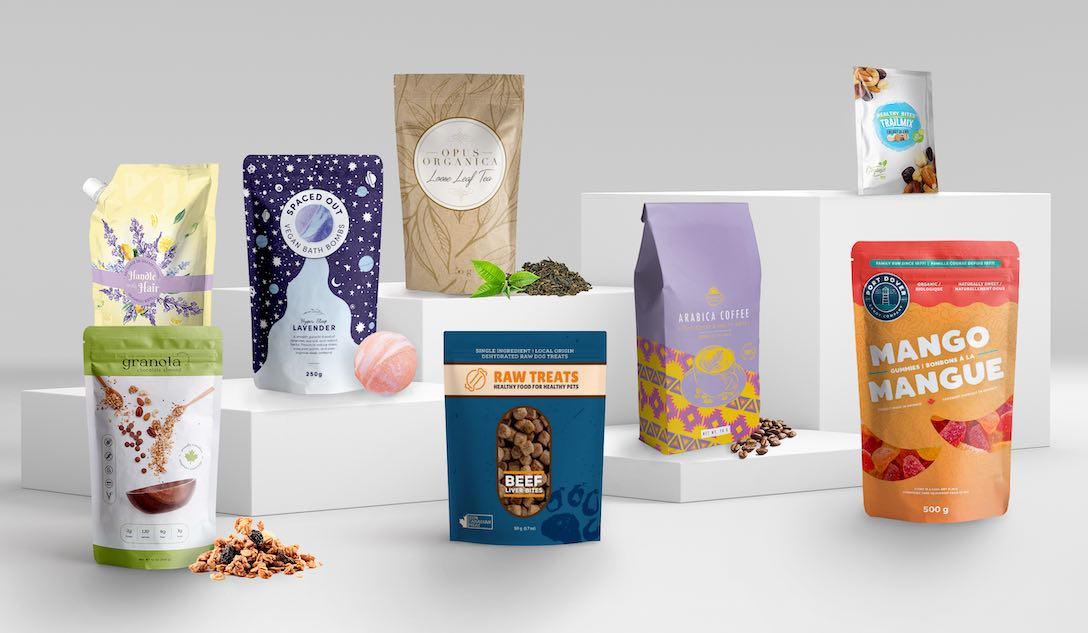 In terms of supply chain optimization, Custom Green Packaging has increased transportation efficiency by 300% and the loading capacity per cubic meter by 400 pieces through lightweight design. Procter & Gamble’s practice has shown that packaging using biopolymer materials can reduce production line energy consumption by 25% and waste disposal costs by 40%. Circular economy model calculations show that the decomposition cycle of compostable packaging in industrial composting facilities is only 12 weeks, which is 97% shorter than that of traditional plastics. For instance, the recycling rate of packaging waste processed by Veolia Environnement Group in France reaches 94%.
Technological innovation drives industry transformation. Water-based coating technology has reduced packaging VOCs emissions by 90% and lowered the carbon footprint by 35%. According to Dow Chemical’s 2024 technology report, nanocellulose reinforcing materials increase the tensile strength of packaging by 50% and reduce its thickness by 30%. For instance, the smart label developed by Nestle in collaboration with a start-up company can read the degradation status through a mobile phone’s NFC, increasing consumer engagement by five times and enhancing the credibility of brand environmental commitments to 92%.
In terms of supply chain optimization, Custom Green Packaging has increased transportation efficiency by 300% and the loading capacity per cubic meter by 400 pieces through lightweight design. Procter & Gamble’s practice has shown that packaging using biopolymer materials can reduce production line energy consumption by 25% and waste disposal costs by 40%. Circular economy model calculations show that the decomposition cycle of compostable packaging in industrial composting facilities is only 12 weeks, which is 97% shorter than that of traditional plastics. For instance, the recycling rate of packaging waste processed by Veolia Environnement Group in France reaches 94%.
Technological innovation drives industry transformation. Water-based coating technology has reduced packaging VOCs emissions by 90% and lowered the carbon footprint by 35%. According to Dow Chemical’s 2024 technology report, nanocellulose reinforcing materials increase the tensile strength of packaging by 50% and reduce its thickness by 30%. For instance, the smart label developed by Nestle in collaboration with a start-up company can read the degradation status through a mobile phone’s NFC, increasing consumer engagement by five times and enhancing the credibility of brand environmental commitments to 92%.
In terms of supply chain optimization, Custom Green Packaging has increased transportation efficiency by 300% and the loading capacity per cubic meter by 400 pieces through lightweight design. Procter & Gamble’s practice has shown that packaging using biopolymer materials can reduce production line energy consumption by 25% and waste disposal costs by 40%. Circular economy model calculations show that the decomposition cycle of compostable packaging in industrial composting facilities is only 12 weeks, which is 97% shorter than that of traditional plastics. For instance, the recycling rate of packaging waste processed by Veolia Environnement Group in France reaches 94%.
Technological innovation drives industry transformation. Water-based coating technology has reduced packaging VOCs emissions by 90% and lowered the carbon footprint by 35%. According to Dow Chemical’s 2024 technology report, nanocellulose reinforcing materials increase the tensile strength of packaging by 50% and reduce its thickness by 30%. For instance, the smart label developed by Nestle in collaboration with a start-up company can read the degradation status through a mobile phone’s NFC, increasing consumer engagement by five times and enhancing the credibility of brand environmental commitments to 92%.
Find your metadata gap